
Oil refinery
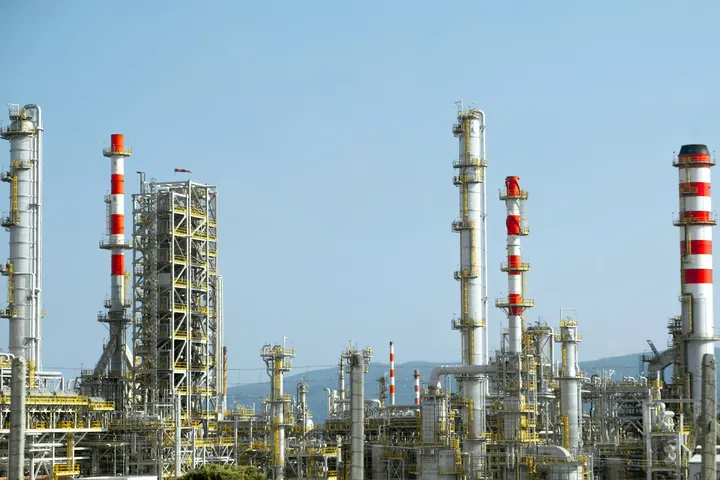
How AI is being implemented:
- Predictive maintenance on pumps, compressors and fired heaters, trained on historian, vibration and maintenance data.
- Energy optimisation of fired heaters, steam and hydrogen networks.
- An assistant that searches approved procedures, manuals and incident lessons for operators.
What it changes in the management system:
- Inspection and integrity operating windows. A model that extends an inspection interval or a run length becomes part of the risk-based inspection basis, and needs the review a change to that basis gets.
- Management of change. Retraining a model, or a vendor update, changes process knowledge. Most procedures do not yet treat it as a change.
- Procedures and competence. If operators consult the assistant instead of the procedure, its sources fall under document control, and operators still need to run the unit without it.
Gas processing plant
How AI is being implemented:
- Predictive maintenance on compressors, gas turbines and cryogenic equipment.
- Soft sensors that infer hydrogen sulphide or water content between analyser readings.
What it changes in the management system:
- Maintenance deferrals. A deferral supported by a model needs the model’s blind spots in its risk assessment, as well as its prediction. The Corlinda case shows why.
- Safety-critical measurements. A soft sensor used in place of an analyser feeds decisions the HAZOP and the sour gas procedures assumed came from an instrument. Its valid range has to be defined and alarmed, as in the Linmara case.
- Performance standards. Where a model’s output is part of how a barrier is checked, it belongs in that barrier’s performance standard.
LNG plant, onshore or floating

How AI is being implemented:
- Predictive maintenance on refrigerant compressors, gas turbines and cryogenic heat exchangers.
- Optimisation of liquefaction trains.
- Camera-based detection of leaks, flames and people in hazardous areas.
What it changes in the management system:
- Fire and gas philosophy. Camera detection relied on in the response becomes part of the fire and gas design basis, with its coverage, testing and failure modes defined.
- Emergency response. The plan has to say who acts on a camera alert, and what happens when the system is down.
- Operating envelopes. Optimisation that holds trains at maximum rate needs its limits written into the operating envelope.
Offshore production installation
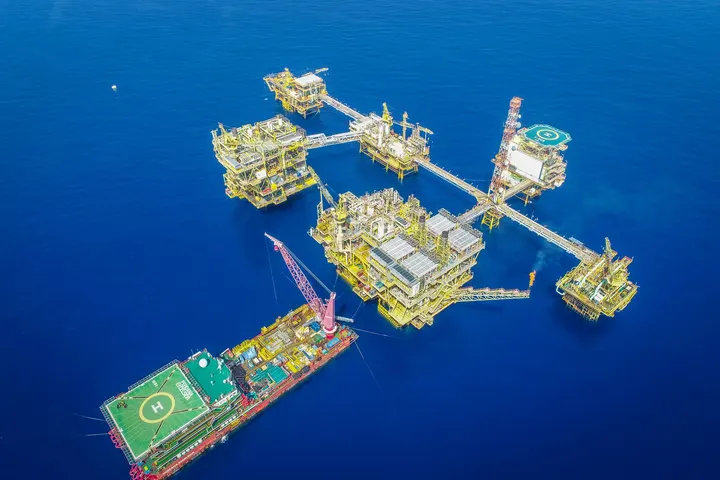
How AI is being implemented:
- Remote monitoring and predictive maintenance run from onshore centres.
- Drone and robot inspection with image recognition.
- Production optimisation of wells and separation.
What it changes in the management system:
- Roles and responsibilities. Onshore advice changes what the installation manager and a reduced crew decide. The safety case and the organisational change process have to reflect it.
- Safety-critical elements. Image recognition that replaces a manual inspection has to meet the same performance standard and verification.
- Permit to work. Drones and robots are new activities to plan, isolate and coordinate with other work.
Wells and drilling
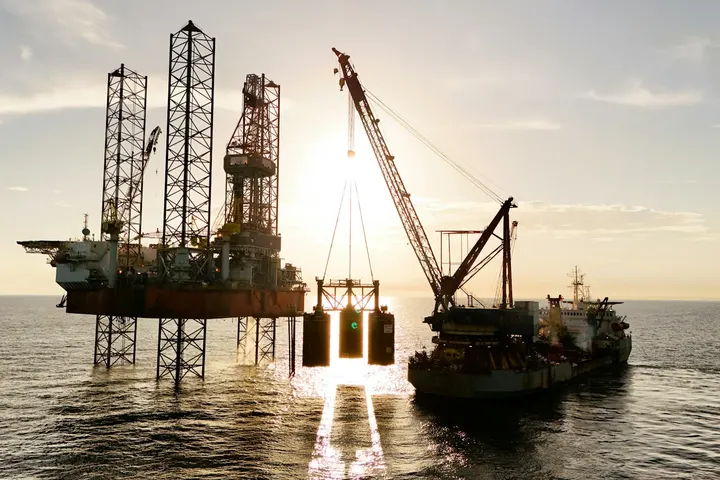
How AI is being implemented:
- Models that rate drilling risks such as losses, stuck pipe and hole instability from offset wells.
- Real-time drilling optimisation.
What it changes in the management system:
- Well design and examination. A risk rating from a model trained on another field becomes an input to the mud weight and casing decision, and its basis has to be visible to the people who approve the design. The Vinmora case shows the gap.
- Well control competence. Crews still need to recognise losses and kicks without the model.
Chemical and petrochemical plant
How AI is being implemented:
- Alarm ranking and operator advisory systems in the control room.
- Reactor and batch optimisation.
- Vendor models updated remotely inside control system software.
What it changes in the management system:
- Alarm management. AI ranking changes alarm priorities, which the alarm philosophy and its rationalisation under IEC 62682 control.
- Management of change and vendor control. A remote model update is a change to the control system, and contracts and change procedures have to catch it. The Quillmere case shows what happens when they do not.
- Process safety information. Optimising reactive chemistry has to stay inside the documented safe operating limits.
Mine and mineral processing plant
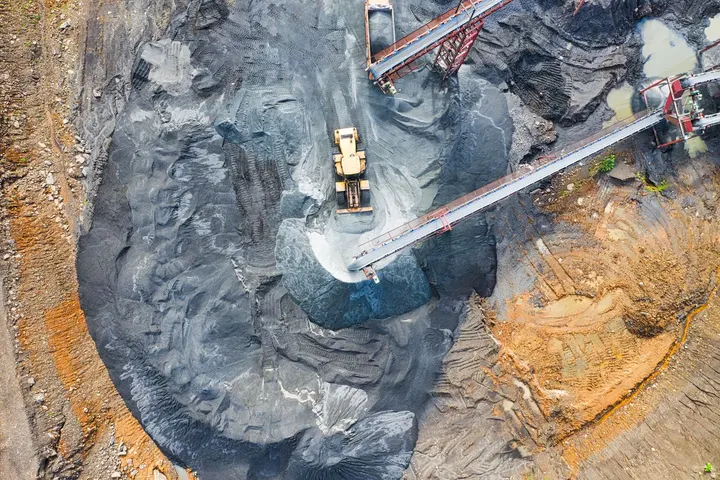
How AI is being implemented:
- Autonomous haul trucks and drill rigs.
- Predictive maintenance on crushers, mills and conveyors.
- Tailings dam monitoring that combines piezometers, satellite radar and models.
What it changes in the management system:
- Traffic management and isolation. Autonomous zones need interaction rules for people and light vehicles, and isolations for maintenance.
- Tailings governance. The Global Industry Standard on Tailings Management (2020) requires a performance monitoring programme for every tailings facility. A model inside that programme inherits its trigger levels and response plans.
- Competence. Dispatchers and supervisors oversee a fleet they no longer drive.
Every asset: AI assistants in the office
How AI is being implemented:
- General-purpose AI assistants used to draft procedures, permits to work, risk assessments and incident reports.
What it changes in the management system:
- Document control. Review and approval have to account for drafting by AI, with the sources it used.
- Risk assessment and investigation. Someone has to check the assistant’s output against the site’s own knowledge.
- Information security. Site data sent to an external assistant leaves the site’s control.
Remote operations, including Africa
Where the asset sits changes how AI has to be managed. Limited connectivity means models run on site or advise from a distant centre, and the people acting on the advice may never meet the people who built it. A workforce being built up, often under a national content plan, needs the competence to question a model as well as use it. Joint venture and national oil company partners have to accept any change to the management system.
I ran the In Amenas gas processing joint venture in Algeria and built a national operations team for an FLNG start-up in Mauritania and Senegal.
Where to start
The autonomous operations briefing takes one AI use on your asset through the M-OPS OMI framework and shows what to fix first. Four illustrative cases show how gaps like these lead to an incident.